Vanilla remains one of the world’s most familiar and widely used flavors, but the market around it is changing quickly. Recent data shows shifting demand patterns, evolving price dynamics, and growing interest in natural ingredients and sustainable sourcing.
How Vanilla Is Used and Consumed
Most vanilla flavor consumed worldwide is used in food and beverage products, particularly in bakery, confectionery, dairy, and flavored drinks. One major market study estimated that food and beverages represented about 71.5% of vanilla market revenue in 2025. Personal care and cosmetics form a smaller but fast‑growing segment, as brands use vanilla both for its aroma and its association with “natural” and “comforting” formulations.
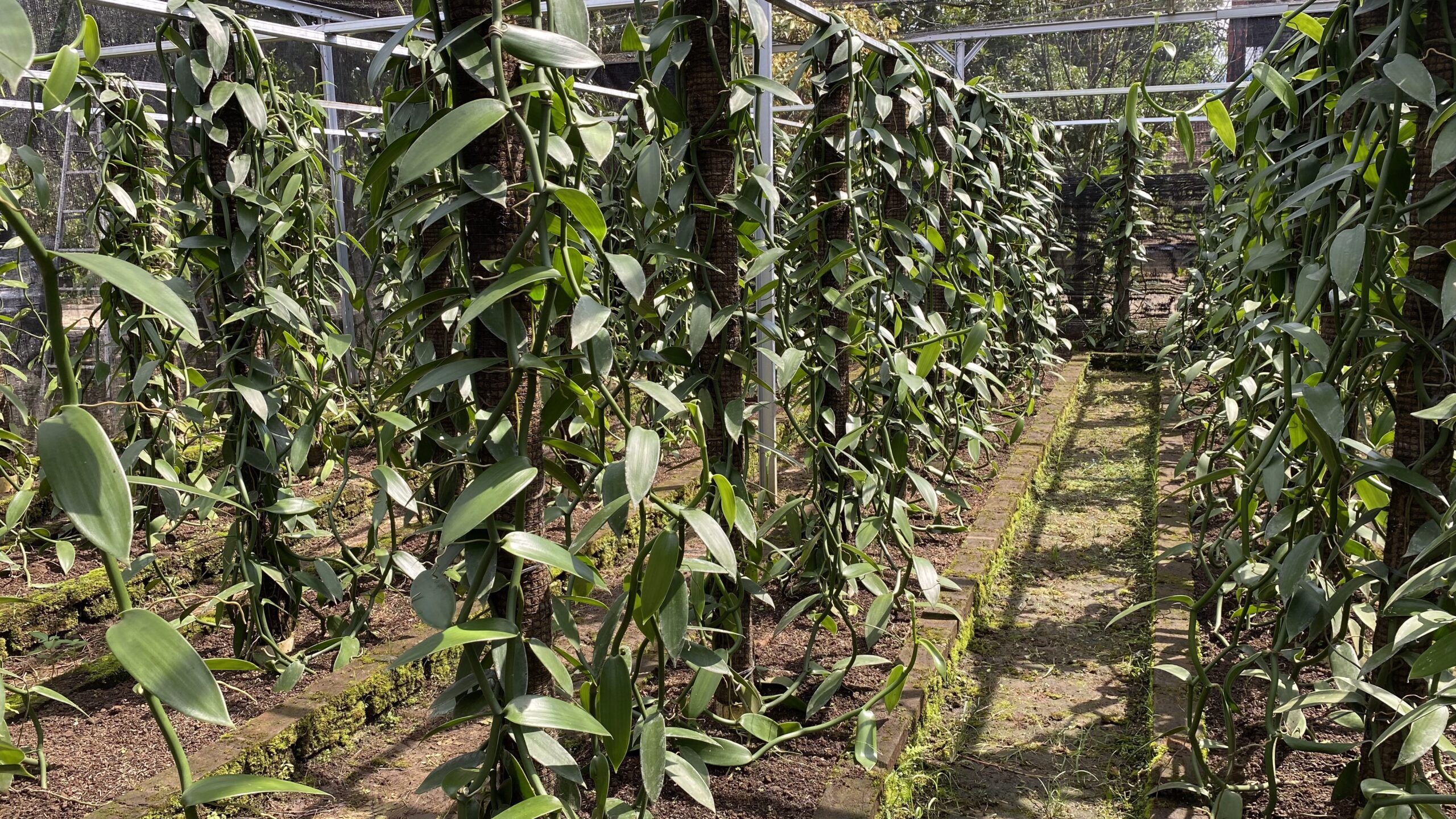
Despite the iconic status of vanilla beans, natural vanilla accounts for only a small share of overall flavor volume. Agricultural data suggest that vanilla-producing orchids supply only a fraction—often cited as less than 1%—of total vanillin demand worldwide. Synthetic vanillin and bio‑based vanillin therefore cover most of the global requirement, with one report indicating that synthetic variants represented around 78% of the vanilla market by source in 2025.
However, consumer preferences are gradually shifting. Surveys and market commentary point to a growing interest in “clean label” and natural ingredients, and some analyses project natural vanilla to grow faster than synthetic alternatives over the next decade, even though synthetics will likely remain dominant in volume.
Natural, Synthetic, and New Forms of Vanilla
The gap between demand and the limited agricultural supply of vanilla beans has driven innovation in alternative sources of vanillin, the main flavor compound in vanilla. Traditional synthetic vanillin is typically derived from petrochemicals or lignin, while newer “bio‑vanillin” sources use biotechnological processes such as fermentation of plant‑based substrates.
Scientific and industry reviews note that these bio‑based approaches aim to reduce environmental impact, stabilize supply, and offer flavor profiles closer to natural vanilla extract. Regulatory labeling and consumer perception vary by market, so products may be described differently (for example, “natural flavoring” vs “vanilla extract”), depending on how the vanillin is produced and the laws of each region.
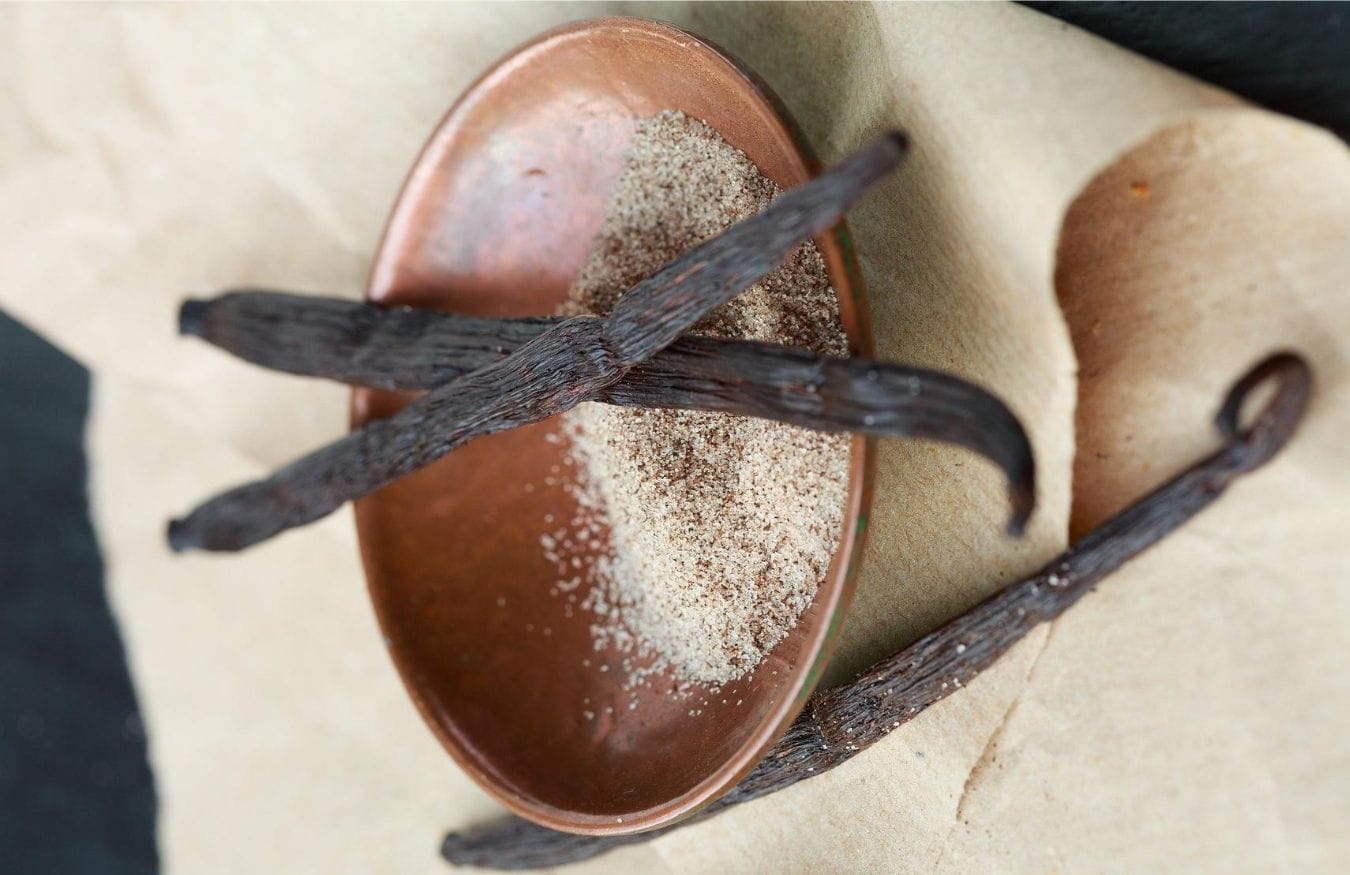
For end users, this means the term “vanilla” on a label can represent a spectrum—from whole-bean extracts to synthetic or bio‑fermented vanillin—each with different cost, availability, and sustainability profiles.
Evidence‑Based Health and Wellness Aspects
Vanilla is widely associated with comfort, warmth, and indulgence, and it appears in many products marketed with wellness language. Scientific reviews provide a more cautious and nuanced picture.
- A narrative review by the McCormick Science Institute notes that vanilla extracts and their key components (vanillin, vanillic acid) have been studied for potential antioxidant, anti‑inflammatory, and soothing effects in cell and animal models, but emphasizes that human clinical evidence is limited and preliminary.
- Research on vanillin specifically suggests antioxidant and anti‑inflammatory properties, and experimental studies have explored possible neuroprotective effects in models of neurodegenerative conditions. These findings are early-stage and do not translate directly into medical recommendations for humans.
- Consumer‑facing health resources highlight that natural vanilla extract contains antioxidants and may contribute modestly to overall dietary antioxidant intake, while also noting that it should not be viewed as a treatment for specific diseases.
In practical terms, the most clearly supported “benefit” of vanilla is sensory and experiential: its aroma and flavor are widely reported to enhance enjoyment of foods and may contribute to perceived relaxation or comfort for some individuals. Current evidence does not support strong therapeutic claims, and responsible communication focuses on flavour, aroma, and the role of vanilla within a balanced diet rather than medical outcomes.
What These Trends Mean for the Vanilla Space
Taken together, current data suggest several clear directions for the vanilla sector:
- The global vanilla market remains significant and is expected to keep growing modestly over the coming years, driven primarily by food and beverage applications and supported by rising use in personal care and cosmetics.
- Synthetic and bio‑based vanillin will continue to supply the majority of global volume, but demand for traceable, naturally sourced vanilla is increasing, especially in premium segments and among “clean label” brands.
- After a period of extreme price volatility, bean supply has become more abundant and prices have softened, though key producing countries still influence trade flows through export rules and minimum price policies.
- From a health perspective, vanilla is best presented as a widely enjoyed flavor with some promising but still emerging scientific research around its components—rather than as a functional or therapeutic ingredient.
For readers—whether they are consumers, product developers, or buyers—these trends highlight why questions of source, quality, and labeling matter as much as taste when choosing vanilla-containing products.
Sources:
https://www.mordorintelligence.com/industry-reports/global-vanilla-industry
https://www.sciencedirect.com/science/article/abs/pii/S0924224421000650